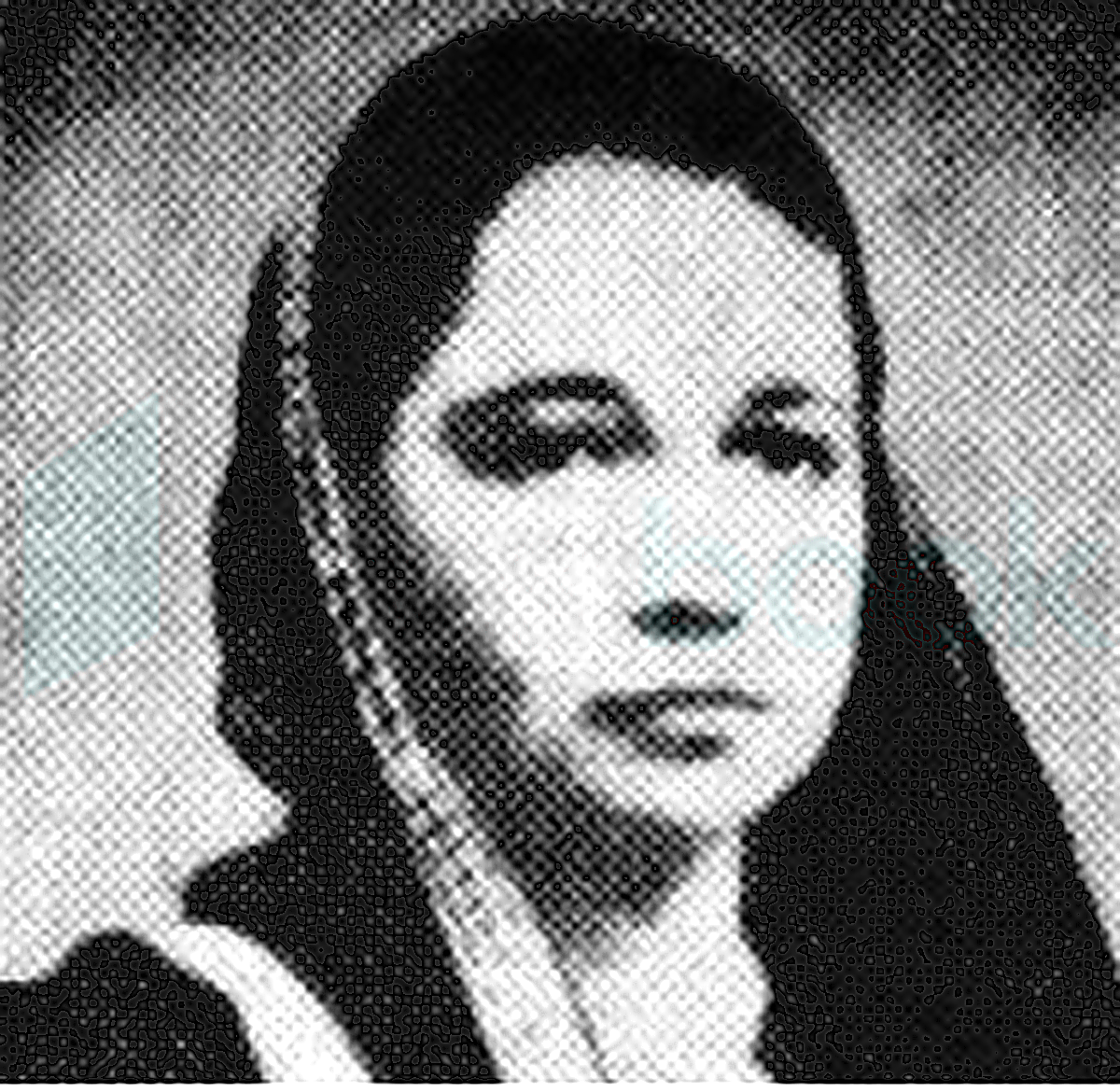
१. कालानुक्रम व अचूक वर्ष/तारीख: मादाम भिकाजी रुस्तम कामा यांचा जन्म २४ सप्टेंबर १८६१ रोजी झाला आणि मृत्यू १३ ऑगस्ट १९३६ रोजी झाला. २२ ऑगस्ट १९०७ रोजी जर्मनीतील स्टुटगार्ट येथे भरलेल्या आंतरराष्ट्रीय समाजवादी परिषदेत त्यांनी भारतीय स्वातंत्र्याचा ध्वज फडकवला. हा ध्वज भारताच्या स्वातंत्र्यलढ्यातील सुरुवातीच्या राष्ट्रध्वजांच्या नमुन्यांपैकी एक होता. २. नेते, संस्था व ऐतिहासिक संदर्भ: मादाम कामा यांनी दादाभाई नौरोजी आणि श्यामजी कृष्ण वर्मा यांच्यासारख्या राष्ट्रवादी नेत्यांच्या संपर्कातून स्वातंत्र्य चळवळीत सक्रिय सहभाग घेतला. त्यांनी पॅरिसमधील भारतीय क्रांतिकारकांच्या कार्याला पाठबळ दिले आणि 'वंदे मातरम्' व 'मदन तलवार' यांसारख्या क्रांतिकारक नियतकालिकांच्या प्रसाराशी संबंधित कार्य केले. ३. महाराष्ट्राचा विशेष संदर्भ व महत्त्व: मुंबईत वाढलेल्या मादाम कामा यांनी १८९६ मधील दुष्काळ व प्लेगच्या काळात मदतकार्य केले. परदेशात भारतीय स्वातंत्र्याचा ध्वज फडकवून त्यांनी आंतरराष्ट्रीय स्तरावर ब्रिटिश सत्तेविरुद्ध भारताची बाजू मांडली. त्यांनी फडकवलेल्या ध्वजाचा ऐतिहासिक नमुना पुण्यातील मराठा आणि केसरी ग्रंथालयात जतन करण्यात आल्याचा उल्लेख आढळतो. त्यांना 'भारतीय क्रांतीची जननी' म्हणून ओळखले जाते.
1. Chronology and exact date: Madam Bhikaiji Rustom Cama was born on 24 September 1861 and died on 13 August 1936. On 22 August 1907, she unfurled an Indian flag at the International Socialist Congress held in Stuttgart, Germany. It was one of the early flag designs associated with India's independence movement. 2. Leaders, organizations, and historical context: Cama came into contact with nationalist leaders such as Dadabhai Naoroji and Shyamji Krishna Varma and actively supported the cause of Indian independence. She supported revolutionary activity among Indians abroad and was associated with the circulation of revolutionary publications such as Bande Mataram and Madan's Talwar. 3. Maharashtra's specific context and significance: Cama grew up in Bombay and participated in relief work during the famine and plague crisis of 1896. By raising an Indian flag abroad and advocating independence internationally, she brought attention to India's struggle against British rule. The flag she unfurled is reported to be preserved at the Maratha and Kesari Library in Pune. She is popularly known as the 'Mother of the Indian Revolution'.
मादाम कामा यांनी १९०७ मध्ये स्टुटगार्ट येथे ध्वज फडकवला, तर ॲनी बेझंट यांची होमरूल चळवळीतील प्रमुख भूमिका १९१६–१९१७ या काळातील आहे. सरोजिनी नायडू यांचे काँग्रेस अध्यक्षपद १९२५ मधील आहे, जे प्रश्नातील १८८५–१९१९ या कालखंडाबाहेर येते. 'भारतीय क्रांतीची जननी' आणि 'भारतीय राष्ट्रीय काँग्रेसच्या पहिल्या भारतीय महिला अध्यक्ष' अशा वेगवेगळ्या ओळखींची गल्लत करू नये.
Cama's flag-raising at Stuttgart belongs to 1907, whereas Annie Besant's major Home Rule activities belong to 1916–1917. Sarojini Naidu's Congress presidency occurred in 1925, outside the stated 1885–1919 topic period. Do not confuse the title 'Mother of the Indian Revolution' with Sarojini Naidu's distinction as the first Indian woman to preside over the Indian National Congress.
लक्षात ठेवा: 'कामा–स्टुटगार्ट–१९०७–ध्वज'. मादाम कामा म्हणजे परदेशात भारतीय स्वातंत्र्याचा ध्वज फडकवणाऱ्या क्रांतिकारक; ॲनी बेझंट म्हणजे होमरूल चळवळ; सरोजिनी नायडू म्हणजे १९२५ मधील काँग्रेस अध्यक्षपद.
Remember the sequence: 'Cama – Stuttgart – 1907 – Flag.' Associate Madam Cama with revolutionary nationalism and the flag raised abroad, Annie Besant with the Home Rule movement, and Sarojini Naidu with the 1925 Congress session.
पर्याय १: कस्तुरबा गांधी (१८६९–१९४४) या महात्मा गांधींच्या सहकारी आणि भारतीय स्वातंत्र्य चळवळीतील महत्त्वाच्या कार्यकर्त्या होत्या; मात्र 'भारतीय क्रांतीची जननी' ही उपाधी त्यांच्याशी संबंधित नाही. पर्याय २: ॲनी बेझंट (१८४७–१९३३) यांनी १९१६ मध्ये भारतीय होमरूल चळवळीच्या स्थापनेत महत्त्वाची भूमिका बजावली आणि १९१७ मध्ये भारतीय राष्ट्रीय काँग्रेसच्या कलकत्ता अधिवेशनाचे अध्यक्षपद भूषवले. पर्याय ४: सरोजिनी नायडू (१८७९–१९४९) या कवयित्री व स्वातंत्र्यसैनिक होत्या; त्या १९२५ मध्ये भारतीय राष्ट्रीय काँग्रेसच्या कानपूर अधिवेशनाच्या अध्यक्ष झाल्या. या तिन्ही व्यक्तींचे योगदान महत्त्वाचे असले, तरी प्रश्नातील उपाधी मादाम भिकाजी कामा यांच्याशी संबंधित आहे.
Option 1: Kasturba Gandhi (1869–1944) was a prominent participant in the freedom movement and a close associate of Mahatma Gandhi, but this title is not associated with her. Option 2: Annie Besant (1847–1933) played a leading role in the Home Rule movement established in 1916 and presided over the Indian National Congress session at Calcutta in 1917. Option 4: Sarojini Naidu (1879–1949) was a poet and freedom fighter who presided over the Indian National Congress session at Kanpur in 1925. Although all three made important contributions, the title in the question refers to Madam Bhikaiji Cama.