
General Science
Basic Concepts of Chemistry
पडताळलेले उत्तर (Verified)
MPSC सराव प्रश्न:
खालीलपैकी कोणते/कोणती विधान/विधाने योग्य आहे/आहेत? a. न्यूक्लियसमधील प्रोटॉनच्या संख्येस त्याचे अणु क्रमांक म्हणतात. b. एकूण प्रोटॉन आणि न्यूट्रॉनची संख्या त्याच्या वस्तुमान संख्येने बनते.
Which one of the following statements is/are correct? a. The number of protons in a nucleus is called its atomic number. b. The total number of protons and neutrons constitutes its mass number.
पर्याय (Options):
A
फक्त a
B
फक्त b
C
अचूक उत्तर (Official Answer)
दोन्ही a आणि b
D
a किंवा b देखील नाही
सविस्तर स्पष्टीकरण (Detailed Explanation):
अचूक उत्तर: पर्याय (3)
योग्य उत्तर a आणि b दोन्ही आहे.
स्पष्टीकरण आणि महत्त्वाचे मुद्दे:
• अणु संख्या:
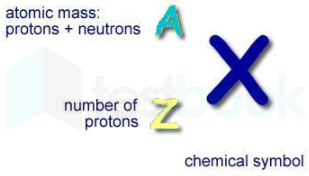
• एक अणू केंद्रबिंदू मध्ये प्रोटॉन एकूण संख्या आम्हाला अणू च्या अणुक्रमांक देते. म्हणून विधान a योग्य आहे.
• हे 'झेड' या पत्राद्वारे दर्शविले जाते.
• विशिष्ट घटकाच्या सर्व अणूंमध्ये समान प्रोटॉन असतात आणि म्हणून समान अणु संख्या.
• भिन्न घटकांच्या अणूंची विभक्त संख्या भिन्न असते.
• उदाहरणार्थ, सर्व कार्बन अणूंची परमाणु संख्या 6 असते, तर ऑक्सिजनच्या सर्व अणूंच्या केंद्रकात 8 प्रोटॉन असतात.
• वस्तुमान संख्या:
• एकत्रित प्रोटॉन आणि न्यूट्रॉनची संख्या आपल्याला अणूची वस्तुमान संख्या देते. म्हणून स्टेटमेंट बी बरोबर आहे.
• हे 'ए' अक्षराचे प्रतिनिधित्व करते.
• प्रोटॉन आणि न्युट्रॉन दोन्ही अणूच्या मध्यवर्ती भागात असल्याने त्यांना एकत्र न्यूक्लियन्स म्हणतात.
• उदाहरणार्थ, कार्बनच्या अणूमध्ये 6 प्रोटॉन आणि 6 न्यूट्रॉन असतात. अशा प्रकारे, त्याची वस्तुमान संख्या 12 आहे.
• घटकांच्या सर्व अणूंमध्ये प्रोटॉनची संख्या समान राहिली तरी, न्यूट्रॉनची संख्या वेगवेगळी असू शकते. अशाच प्रकारे, समान घटकाच्या अणूंमध्ये भिन्न वस्तुमान असू शकतात आणि त्यांना समस्थानिक म्हणतात.
• इलेक्ट्रॉनचे वजन जवळजवळ नगण्य असते. अशा प्रकारे अणूचा अणु द्रव्यमान त्याच्या वस्तुमान संख्येइतकाच असतो.
महत्त्वाची टीप:
पूरक माहिती:
• अणू रचना
• एखाद्या घटकाची अणू रचना त्याच्या केंद्रकांची स्थापना आणि त्याभोवती इलेक्ट्रॉनांची व्यवस्था दर्शवते.
• प्रामुख्याने, पदार्थाची अणू रचना प्रोटॉन, इलेक्ट्रॉन आणि न्यूट्रॉनपासून बनलेली असते.
• प्रोटॉन आणि न्यूट्रॉन अणूचे मध्यवर्ती भाग बनवतात, जे त्याची वस्तुमान संख्या तयार करतात.
• एखाद्या घटकाची अणु संख्या त्याच्या केंद्रकातील प्रोटॉनच्या एकूण संख्येचे वर्णन करते.
• तटस्थ अणूंमध्ये समान प्रमाणात प्रोटॉन आणि इलेक्ट्रॉन असतात. तथापि, स्थिरता वाढविण्यासाठी अणू इलेक्ट्रॉन मिळवू किंवा गमावू शकतात आणि परिणामी आकारलेल्या घटकास आयन म्हणतात.
• वेगवेगळ्या घटकांच्या अणूंमध्ये भिन्न विभक्त रचना असतात कारण त्यामध्ये प्रोटॉन आणि इलेक्ट्रॉनचे प्रमाण वेगवेगळे असते. वेगवेगळ्या घटकांच्या विशिष्ट वैशिष्ट्यांचे हे कारण आहे.
• शोध
• जेजे थॉमसन यांनी 1897 मध्ये शोधलेला इलेक्ट्रॉन.
• प्रोटॉन 1886 मध्ये ई. गोल्डस्टीनने शोधला.
• न्यूट्रॉन जेम्स चडविक यांनी 1932 मध्ये शोधला.
स्पष्टीकरण आकृती (Solution Visual Diagram):


Solution Diagram