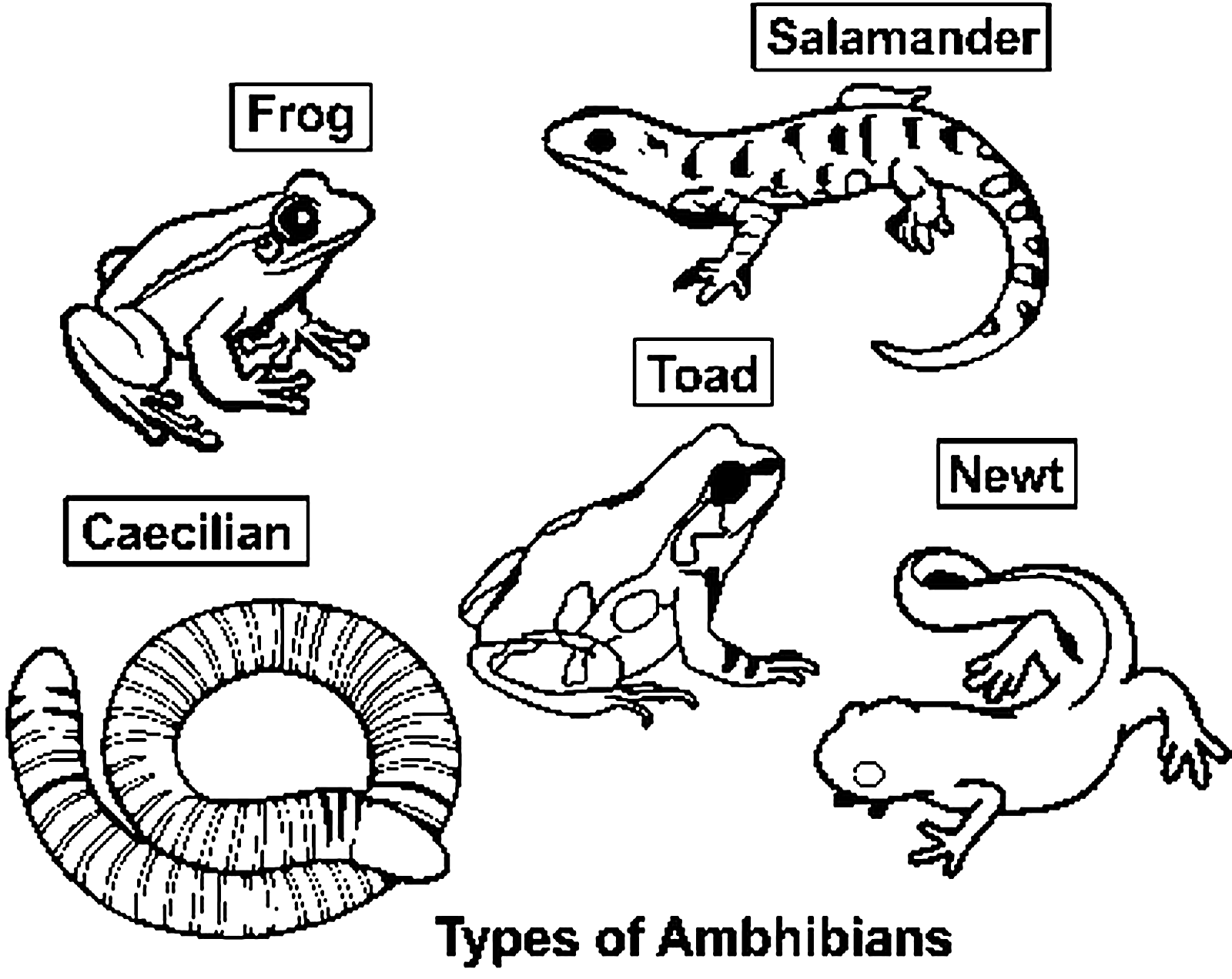
सविस्तर स्पष्टीकरण (Detailed Explanation):
अचूक उत्तर: पर्याय (3)
१. मूलभूत वैज्ञानिक संकल्पना: उभयचर (Amphibia) हे पृष्ठवंशीय प्राण्यांचे असे वर्गीकरण आहे, ज्यांतील अनेक प्राणी जीनचक्रातील वेगवेगळ्या अवस्थांत जलचर व स्थलचर अधिवासाशी संबंधित असतात. भेक (Toad) हा उभयचर वर्गाील प्राणी आहे. २. कार्यपद्धती व शारीरिक वैशिष्ट्ये: भेक हा शीतरक्ती पृष्ठवंशीय प्राणी असून त्याची त्वचा सामान्यतः ओलसर व खवलेविरहित असते. प्रौढ भेक प्रामुख्याने फुफ्फुसे आणि त्वचेद्वारे श्वसन करतो, तर अळ्यांमध्ये सामान्यतः कल्ल्यांद्वारे श्वसन होते. त्याचे हृदय तीन कप्प्यांचे असते: दोन अलिंद आणि एक निलय. बहुतेक भेकांमध्ये पाण्यात बाह्य निषेचन होते आणि अंड्यांतून बाहेर पडलेल्या अळ्यांचे रूपांतर प्रौढात होते; मात्र प्रजननाची पद्धत प्रजातीनुसार बदलू शकते. ३. दैनिक जीवनातील उपयोजन व वैज्ञानिक तथ्य: भेक कीटक खात असल्याने कीटकांच्या संख्येचे नैसर्गिक नियंत्रण करण्यास मदत करतो. उभयचरांची त्वचा पर्यावरणातील बदलांना संवेदनशील असल्यामुळे त्यांचा उपयोग पर्यावरणाच्या आरोग्याचे जैविक निदर्शक म्हणूनही केला जातो. संदर्भ: NCERT जीवशास्त्रातील प्राण्यांचे वर्गीकरण आणि महाराष्ट्र राज्य मंडळाच्या विज्ञान विषयातील सजीवांचे वर्गीकरण यांतील उभयचरांची वैशिष्ट्ये.
1. Fundamental scientific principle: Amphibia is a class of vertebrates that commonly have life cycles associated with both aquatic and terrestrial environments. A toad belongs to this class. 2. Biological mechanism and characteristics: Toads are ectothermic vertebrates with generally moist, scaleless skin. Adults primarily respire through their lungs and skin, while their larvae generally use gills. The heart has three chambers: two atria and one ventricle. In many species, fertilization occurs externally in water, and development includes a larval stage followed by metamorphosis. Reproductive patterns vary among species. 3. Practical application and scientific fact: Toads feed on insects and help regulate insect populations. Amphibians are also useful bioindicators because their permeable skin and life cycles make many species sensitive to environmental changes. Reference: NCERT Biology, animal classification, and Maharashtra State Board science concepts concerning the classification of living organisms.
स्पष्टीकरण आकृती (Solution Visual Diagram):
भेक (Toad) आणि बेडूक (Frog) हे दोन्ही उभयचर आहेत; मात्र ते एकसारखे दिसले तरी त्यांची काही शारीरिक वैशिष्ट्ये वेगळी असतात. सामान्यतः भेकाची त्वचा अधिक कोरडी, खडबडीत व ग्रंथीयुक्त दिसते, तर बेडकाची त्वचा अधिक गुळगुळीत व ओलसर असते. कासव पाण्यात राहत असले तरी ते उभयचर नसून सरीसृप आहे. अधिवासावरूनच प्राण्याचा वर्ग ठरवणे ही परीक्षेतील सामान्य चूक आहे.
Do not confuse habitat with taxonomic classification. A turtle may live in or around water, but it is a reptile, not an amphibian. Frogs and toads both belong to Amphibia, although they commonly differ in skin texture and body form. Most amphibians have moist, scaleless skin, but individual characteristics and reproductive strategies vary across species.
स्मृती क्लृप्ती: 'भेक-बेडूक-सॅलामँडर = उभयचर'. लक्षात ठेवा: 'पिसे = पक्षी, खवले = सरीसृप, केस व दूध = सस्तन, ओलसर खवलेविरहित त्वचा = सामान्यतः उभयचर'. ही वैशिष्ट्ये वर्ग ओळखण्यास मदत करतात; अपवादात्मक प्रजातींसाठी स्वतंत्र तथ्य तपासावे.
Mnemonic: 'Frog, Toad, Salamander = Amphibians.' For quick classification, associate feathers with birds, characteristic reptilian scales with reptiles, hair and milk production with mammals, and generally moist, scaleless skin with amphibians. Use these as identification clues rather than absolute rules.
पर्याय १: कबूतर हा पक्षी (Aves) वर्गातील पृष्ठवंशीय प्राणी आहे. त्याच्या शरीरावर पिसे असतात आणि पुढील पायांचे पंखांत रूपांतर झालेले असते; म्हणून तो उभयचर नाही. पर्याय २: कासव हा सरीसृप (Reptilia) वर्गातील प्राणी आहे. त्याची त्वचा खवलेयुक्त असते आणि तो फुफ्फुसांद्वारे श्वसन करतो; त्यामुळे तो उभयचर नाही. पर्याय ४: मांजर हा सस्तन (Mammalia) वर्गातील प्राणी आहे. त्याच्या शरीरावर केस असतात आणि मादी पिलांना दूध पाजते; त्यामुळे तो उभयचर नाही. म्हणून भेक हा एकमेव योग्य पर्याय आहे.
Option 1: Pigeon belongs to class Aves. Its body is covered with feathers, and its forelimbs are modified into wings, so it is not an amphibian. Option 2: Turtle belongs to class Reptilia. It breathes through lungs and has characteristic reptilian skin, so it is not an amphibian. Option 4: Cat belongs to class Mammalia. Mammals characteristically have hair and mammary glands that produce milk for their young, so a cat is not an amphibian. Therefore, the toad is the only correct choice.