
Geography
Climatology
पडताळलेले उत्तर (Verified)
MPSC सराव प्रश्न:
चिनूक वाऱ्यांसंदर्भात कोणती विधाने अयोग्य आहेत? 1. हे वारे रॉकी पर्वतावर वाहतात. 2. हे स्थानिक वारे आहेत. 3. हे वारे दक्षिण दिशेने आल्प्स पर्वताच्या दिशेने जातात. 4. राईन नदी खोऱ्यात हे वारे वाहतात.
Which statements are incorrect regarding Chinook winds? 1. These winds blow on Rocky mountain. 2. These are the local winds. 3. These winds climb the Alps mountain from its south side. 4. These winds blow in the Rhine river valley.
पर्याय (Options):
A
1, 2
B
1, 3
C
2, 3
D
अचूक उत्तर (Official Answer)
3, 4
सविस्तर स्पष्टीकरण (Detailed Explanation):
अचूक उत्तर: पर्याय (4)
योग्य उत्तर पर्याय 4 आहे.
चिनूक वारे:
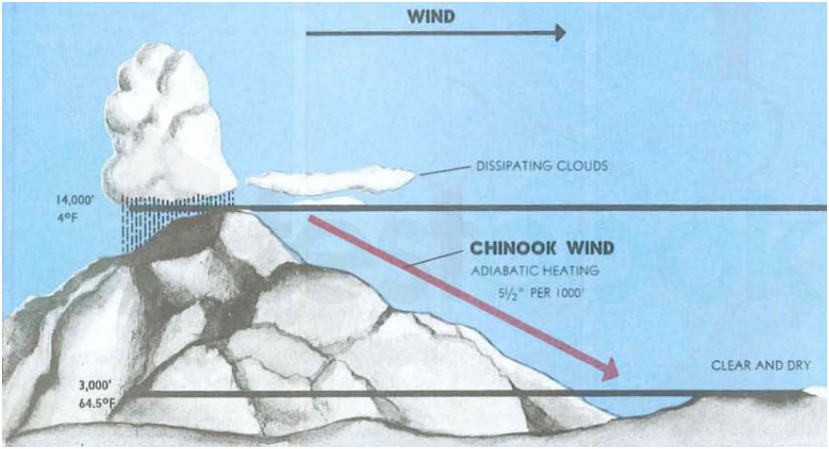
• हे एक मजबूत, कोरडे, उबदार स्थानिक वारे आहेत जे हिवाळ्याच्या थंड महिन्यात रॉकी पर्वताच्या पूर्वेस असलेल्या प्रदेशात वाहतात.
• ते द्रुत तापमानात बदल आणू शकतात.
• म्हणून, विधान 1 आणि 2 योग्य आहे.
• हे उत्तर अमेरिकेच्या वायव्य भागात प्रशांत महासागरातून रॉकी पर्वतश्रेणीकडे वाहतात. म्हणून, विधान 3 आणि 4 अयोग्य आहे.
• वायुराशि पर्वतांवर चढताना हवेचे प्रमाण थंड होते, ज्यामुळे शिखरांवर पाऊस किंवा बर्फ पडतो.
• पर्वताच्या पूर्वेकडील बाजूस खाली जाताना डोंगर आणि आर्द्रता ओलांडून ते कोरडे होते.
• पॅसिफिक महासागरातून येणाऱ्या मूळ हवेच्या राशिपेक्षा तसा वारा वेगाने उबदार होतो आणि क्रमशः आणखी उबदार आणि कोरडा होतो.
• जेव्हा ते पश्चिम किंवा नैऋत्य दिशेने दिशा बदलतात, तेव्हा त्यांचा वेग वेगाने वाढतो.
• त्याचा वेग ताशी 128 किमी/तास पर्यंत असू शकतो.
बर्फ खाणारे:
• जेव्हा हे उबदार, कोरडे, वेगाने वाहणारे वारे हिमच्छादित भागावरुन जातात तेव्हा बर्फ वितळण्याची शक्यता होण्याआधी बर्याचदा बर्फाचे बाष्पीकरण होते.
• हे वारे सहजपणे काही तासात बर्फाच्या फूटभर थराचे बाष्पीकरण करू शकतात.
• म्हणूनच हे वारे सहसा "बर्फ खाणारे" म्हणून ओळखले जातात.
टीपः
• राईन नदी जर्मनीमध्ये आहे.
• युरोपमध्ये आल्प्स पर्वतरांगा अस्तित्त्वात आहेत.
• कोलंबिया नदीजवळ वॉशिंग्टन आणि ओरेगॉनच्या किनारपट्टी भागात राहणाऱ्या चिनूक प्रादेशिक अमेरिकन लोकांच्या नावावरन या वाऱ्यांचे नाव ठेवण्यात आहे.
• हे वारे जगाच्या विविध भागात वेगवेगळ्या नावांनी परिचित आहेत ज्यामध्ये हे समाविष्ट आहेः
• मध्य आशिया: अफगानेट,
• दक्षिण अमेरिकतील अँडीज: पुलेचे,
• दक्षिणी कॅलिफोर्निया: सॅन्टा ऍना वारे.
स्पष्टीकरण आकृती (Solution Visual Diagram):


Solution Diagram