
Geography
Geomorphology
पडताळलेले उत्तर (Verified)
MPSC सराव प्रश्न:
खालील विधाने विचारात घ्या आणि खालील पर्यायांमधून योग्य उत्तर निवडा. 1. आवरण आणि गाभा यांच्यातील सीमारेषा गुटेनबर्ग खंडित होण्याद्वारे चिन्हांकित केली जाते. 2. महासागरीय कवच हे महाद्वीपीय कवचापेक्षा हलके असते. 3. मोहोरोविक विघटन कवच आणि आवरण यांच्यामध्ये आहे.
Consider the following statements and choose the correct answer from the options given below. 1. The boundary between the Mantle and core is demarketed by Gutenburg discontinuity. 2. The oceanic crust is lighter than the continental crust. 3. Mohorovicic Discontinuity lies between crust and mantle.
पर्याय (Options):
A
फक्त 1 आणि 2
B
अचूक उत्तर (Official Answer)
फक्त 1 आणि 3
C
फक्त 2 आणि 3
D
1, 2 आणि 3
सविस्तर स्पष्टीकरण (Detailed Explanation):
अचूक उत्तर: पर्याय (2)
योग्य उत्तर फक्त 1 आणि 3 आहे.
विघटन हे संक्रमण क्षेत्र आहेत ज्याने पृथ्वीच्या थरांना वेगळे केले आहे. पृथ्वीचे आतील भाग विविध प्रकारच्या सामग्रीपासून बनलेले आहे. त्यातील प्रत्येक सामग्री त्यांच्या भौतिक आणि रासायनिक गुणधर्मांद्वारे इतरांपेक्षा भिन्न आहे, जसे की तापमान, घनता इ.
अखंडता:
• हे सर्व स्तर संक्रमण क्षेत्राद्वारे एकमेकांपासून वेगळे केले जातात.
• या संक्रमण क्षेत्रांना खंडितता म्हणतात.
• कॉनराड अखंडता: हे वरच्या कवच आणि खालच्या कवच दरम्यान असते.
• मोहोरोविक अखंडता: हे कवच आणि आवरण यांच्यामध्ये असते.
• त्यामुळे विधान 3 योग्य आहे.
• रेपिटी अखंडता: हे वरच्या आवरण आणि खालच्या आवरणाच्या दरम्यान असते.
• गुटेनबर्ग अखंडता: हे गाभा आणि आवरण यांच्यामध्ये असते.
• लेहमन अखंडता: हे वरचा गाभा आणि खालच्या गाभ्यामध्ये असते
• त्यामुळे विधान 1 योग्य आहे.
पूरक माहिती:
भूकवच:
• पृथ्वीच्या पृष्ठभागावरील सर्वात वरच्या थराला भूकवच म्हणतात.
• हे सर्व थरांमध्ये सर्वात पातळ आहे.
• महाद्वीपीय वस्तुमानावर, ते सुमारे 35 किमी आहे आणि समुद्राच्या तळांवर, फक्त 5 किमी.
• पृष्ठभागावरील खडकांवर आढळणाऱ्या खडकांची घनता: 2.7 - 2.9 ग्रॅम/सेमी^(3)
• समुद्राच्या तळावर सापडलेल्या खडकांची घनता सुमारे आहे: 3.0 ग्रॅम/सेमी^(3)
• महासागरीय कवच हे महाद्वीपीय कवचापेक्षा घनदाट आहे.
• भूकवच हा पृथ्वीचा सर्वात पातळ थर आहे आणि तो आपल्या ग्रहाच्या आकारमानाच्या 1% पेक्षा कमी आहे.
• पृथ्वी एका कांद्याप्रमाणेच अनेक समकेंद्री थरांनी बनलेली आहे.
• भूकवच हा पृथ्वीचा सर्वात बाहेरचा थर आहे आणि तो अग्निज, रूपांतरित आणि गाळाच्या खडकांनी बनलेला आहे.
• बाह्य बलांमुळे भूकवच अस्थिर आहे.
म्हणून, विधान 2 अयोग्य आहे कारण ते अयोग्य माहिती व्यक्त करत आहे.
स्पष्टीकरण आकृती (Solution Visual Diagram):
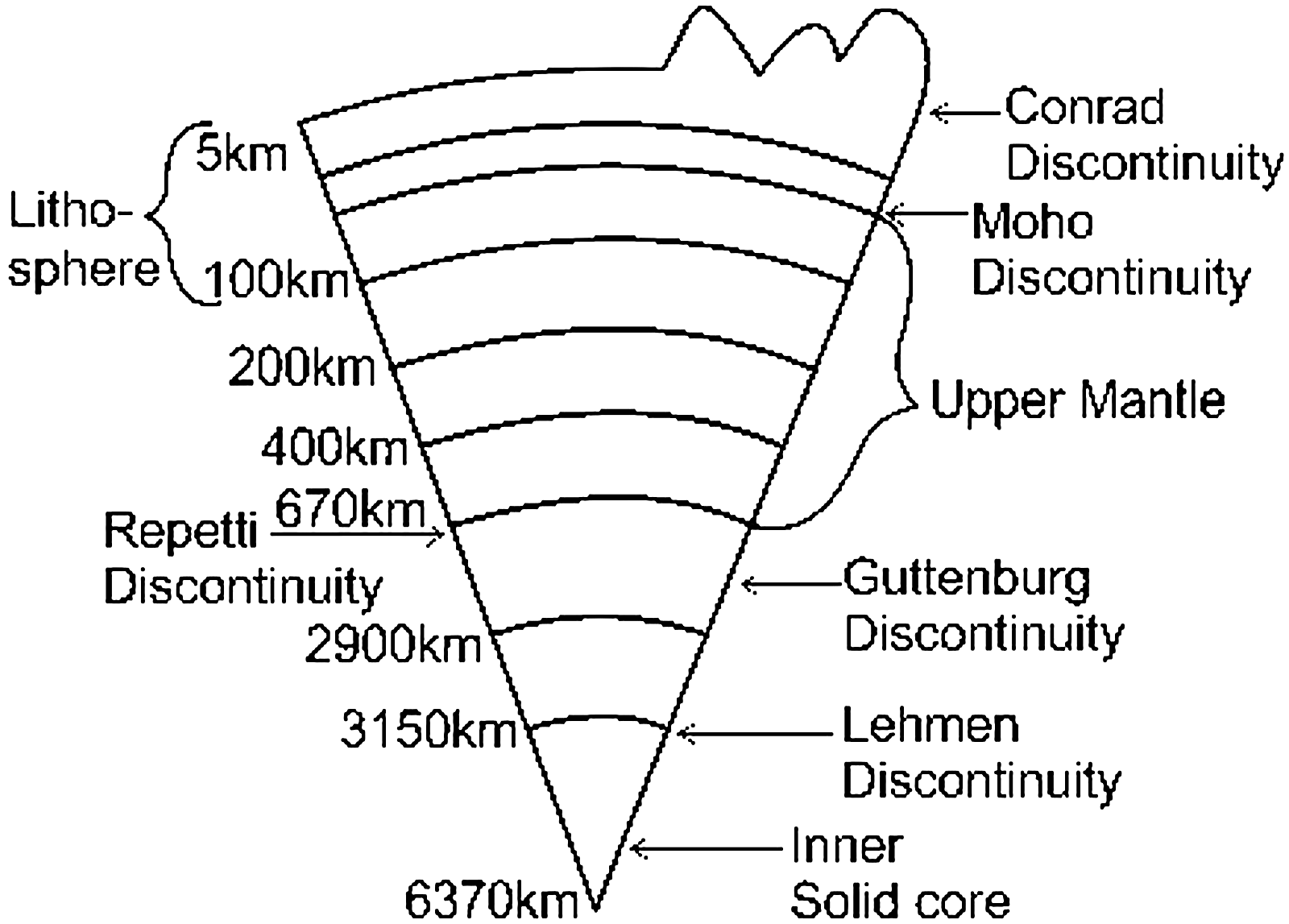
Solution Diagram